Grass Repair in Honolulu, HI
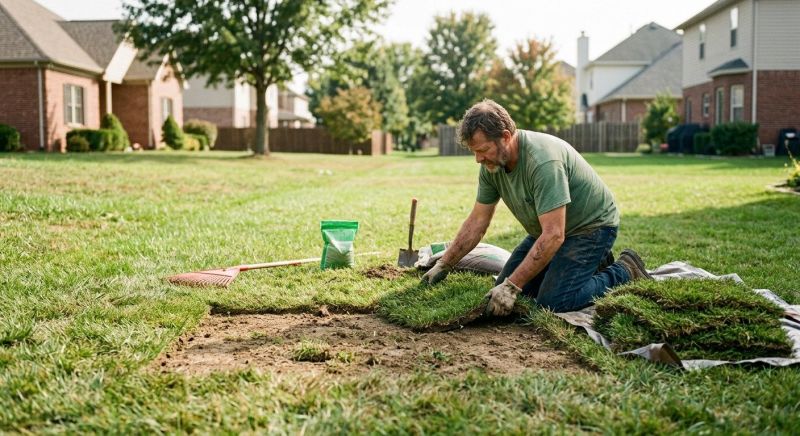
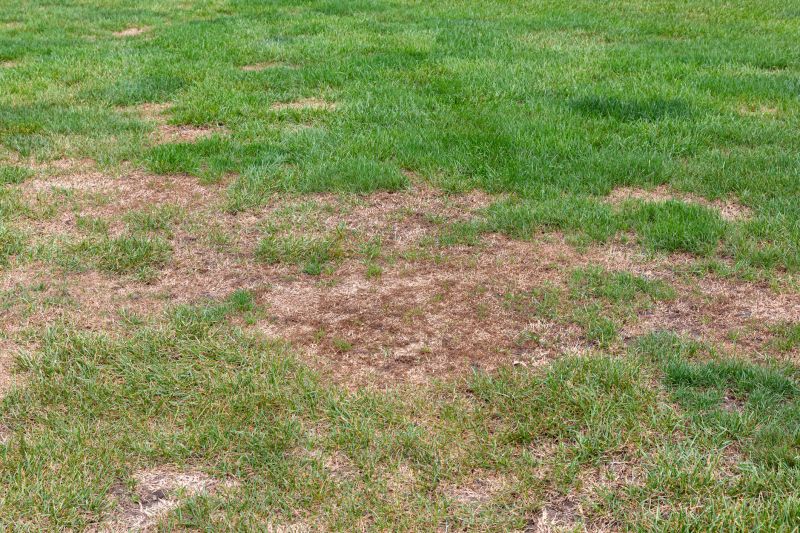
Grass repair services focus on restoring and improving lawns that have been damaged or worn down over time. This includes addressing issues such as patchy or thinning areas, bare spots, and uneven growth caused by factors like heavy foot traffic, pests, disease, or weather conditions. Projects often involve removing dead or unhealthy grass, preparing the soil, and planting new grass seed or sod to promote a lush, healthy appearance. Homeowners typically want to understand the best methods for matching new grass with existing turf and how to care for the repaired areas to ensure long-lasting results.
Before requesting grass repair, property owners often consider the extent of damage, the type of grass suitable for their climate, and the overall condition of their lawn. It’s helpful to know whether the project involves reseeding, sodding, or other methods, and to understand the maintenance requirements afterward. Clarifying these details can help ensure the repair work aligns with the property's needs and aesthetic goals, leading to a more resilient and attractive lawn.
Many property owners in Honolulu, HI look into Grass Repair for repairs, replacements, upgrades, and appearance-related improvements.
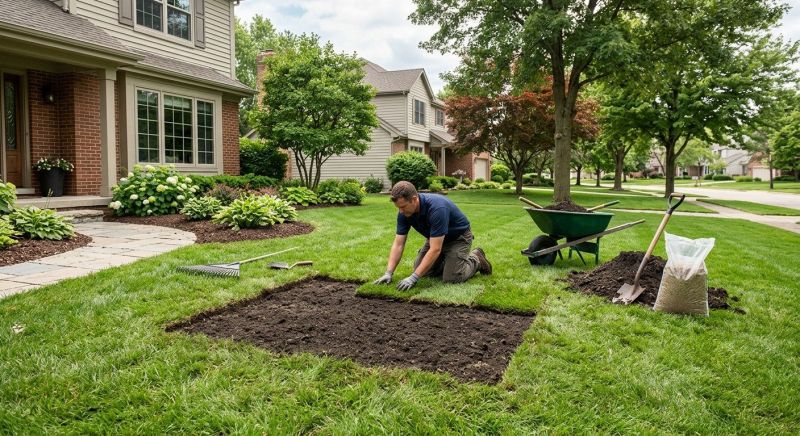
Lawn Leveling And Resurfacing
Restores uneven patches and improves the overall appearance of your lawn.
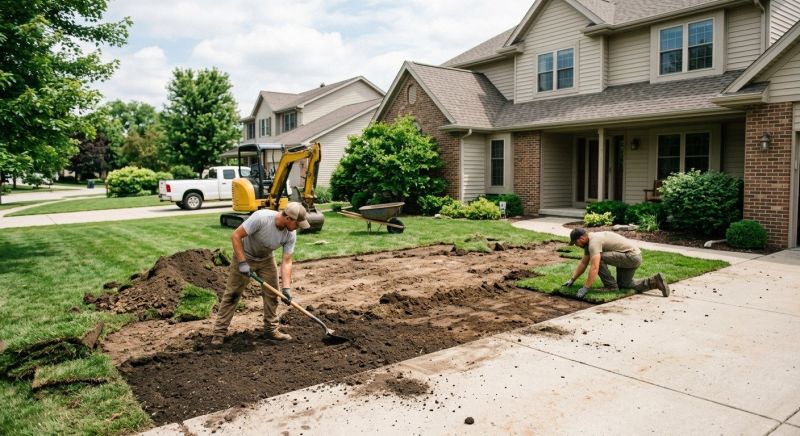
Patch Repair For Damaged Grass
Fills in bare spots and repairs areas affected by heavy foot traffic or pests.
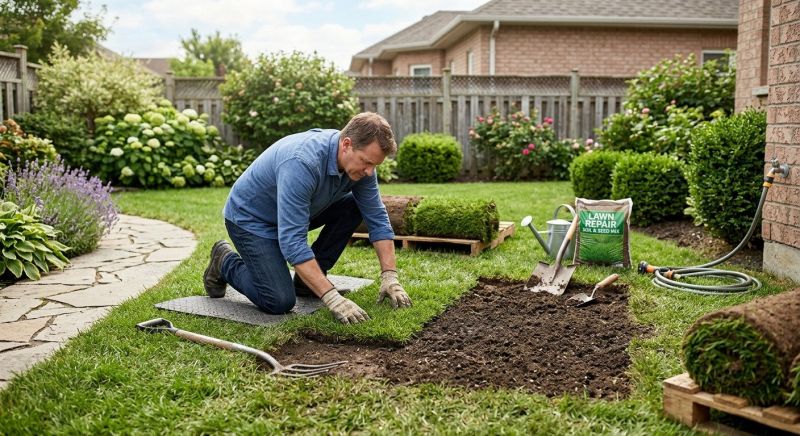
Seeding And Turf Restoration
Encourages healthy grass growth to enhance the vibrancy and durability of your yard.
Grass Repair in Honolulu, HI

Grass repair services focus on restoring and improving lawns that have been damaged or worn down over time. This includes addressing issues such as patchy or thinning areas, bare spots, and uneven growth caused by factors like heavy foot traffic, pests, disease, or weather conditions. Projects often involve removing dead or unhealthy grass, preparing the soil, and planting new grass seed or sod to promote a lush, healthy appearance. Homeowners typically want to understand the best methods for matching new grass with existing turf and how to care for the repaired areas to ensure long-lasting results.
Before requesting grass repair, property owners often consider the extent of damage, the type of grass suitable for their climate, and the overall condition of their lawn. It’s helpful to know whether the project involves reseeding, sodding, or other methods, and to understand the maintenance requirements afterward. Clarifying these details can help ensure the repair work aligns with the property's needs and aesthetic goals, leading to a more resilient and attractive lawn.
Many property owners in Honolulu, HI look into Grass Repair for repairs, replacements, upgrades, and appearance-related improvements.
Common Grass Repair Jobs
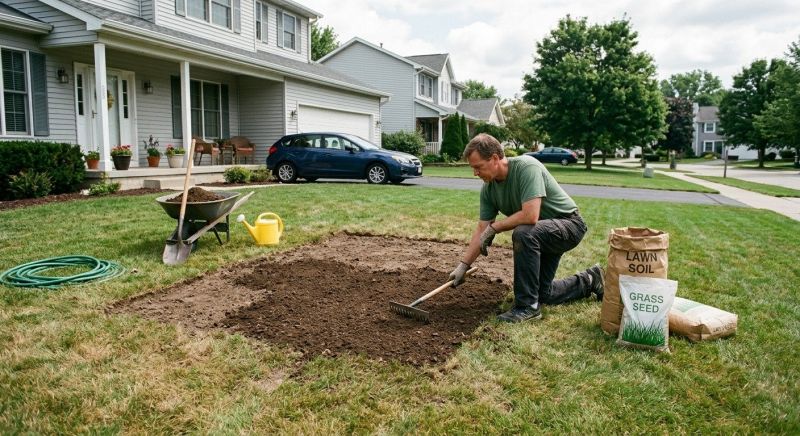
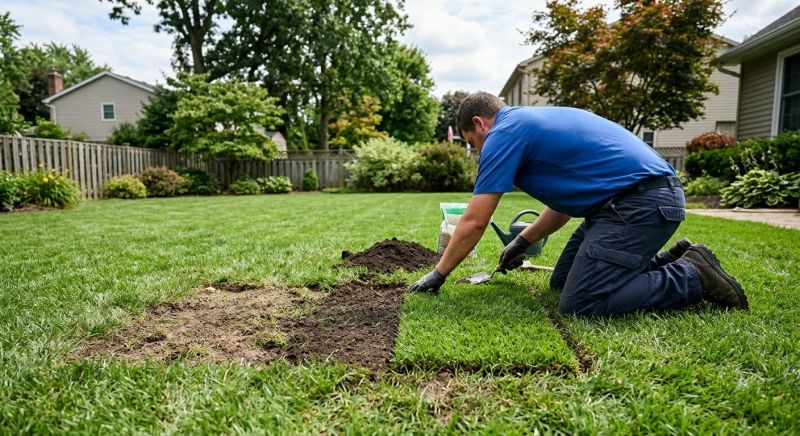
Patch and Fill - damaged or bare spots in the lawn are repaired with fresh grass seed or sod.
Reseeding - thinning areas are overseeded to promote a lush, even appearance.
Leveling and Grading - uneven patches are smoothed out to prevent water pooling and improve drainage.
Damaged Turf Removal - severely damaged sections are removed and replaced with healthy grass.
Soil Preparation - soil is aerated and enriched to support healthy grass growth.
Patch Repair - small areas of wear or damage are quickly restored for a uniform look.
Grass Repair Questions
What causes grass to become patchy or damaged? Common causes include heavy foot traffic, poor soil quality, drought stress, and pest activity.
What types of repair services are available for damaged grass? Services typically include patching, reseeding, aeration, and soil leveling to restore healthy turf.
Is it necessary to remove dead or severely damaged grass before repair? Yes, removing dead patches helps promote healthy growth and ensures a more even repair.
How can property owners maintain repaired grass areas? Regular watering, mowing at appropriate heights, and fertilization support healthy turf growth.
Request Grass Repair in Honolulu, HI
Use the quote form on this page to share the basics of your project and request more information for the type of work you need.